
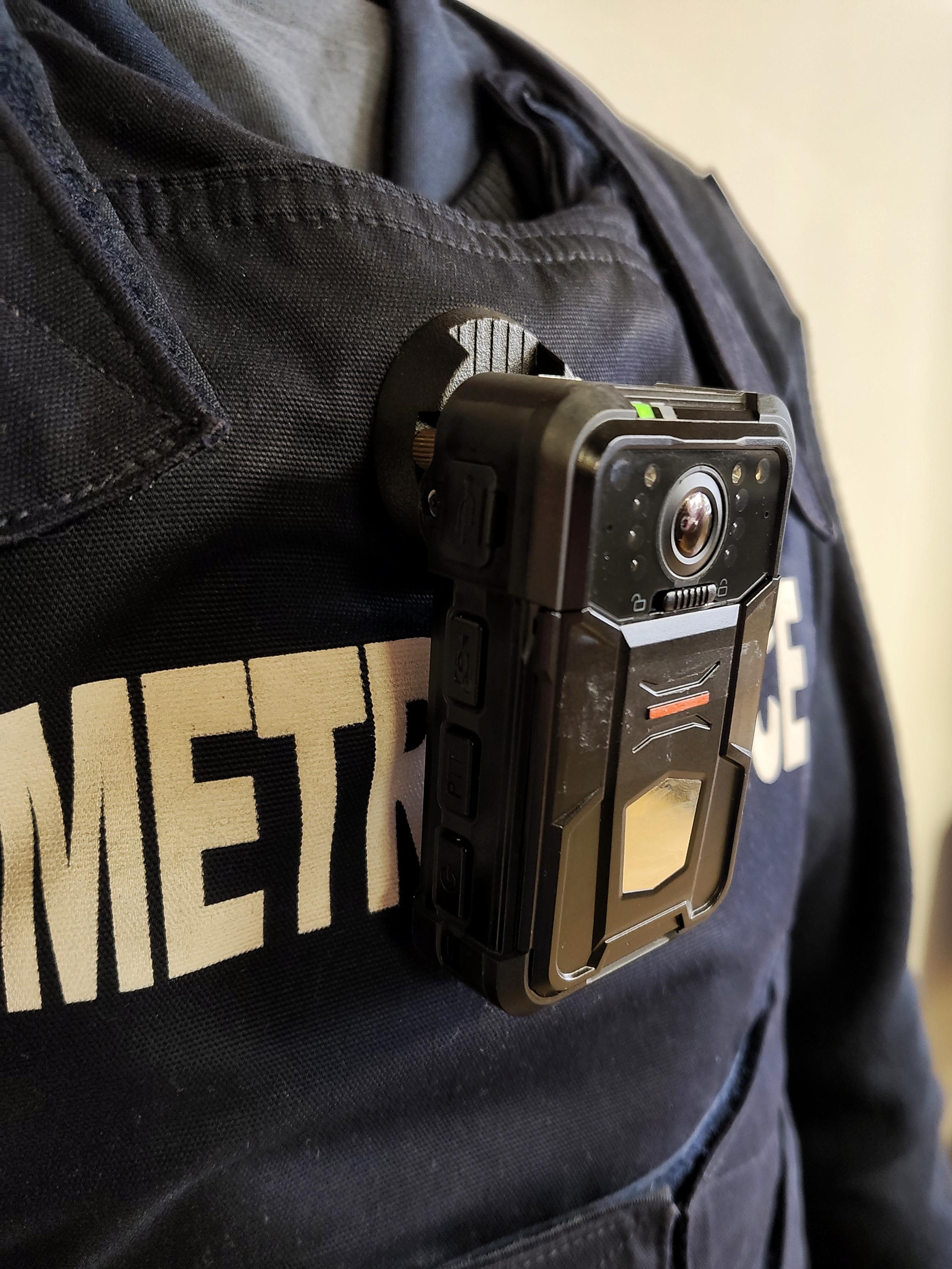
City fast-forwards to 3 000 body-worn cameras
30 August 2026
More than 2 000 devices are already in circulation among City enforcement services. The current order of additional body-worn cameras (BWCs) will take Cape Town’s tally to 3 000 devices. BWCs are one of several tools introduced by the City’s Safety and Security Directorate in recent years as part of its ongoing tech investment.
The City currently has 2 250 BWCs deployed in the field, between its Metro Police, Law Enforcement and Traffic officers.
An additional 750 are on order, and will push the deployment to 3 000 devices in the near future.
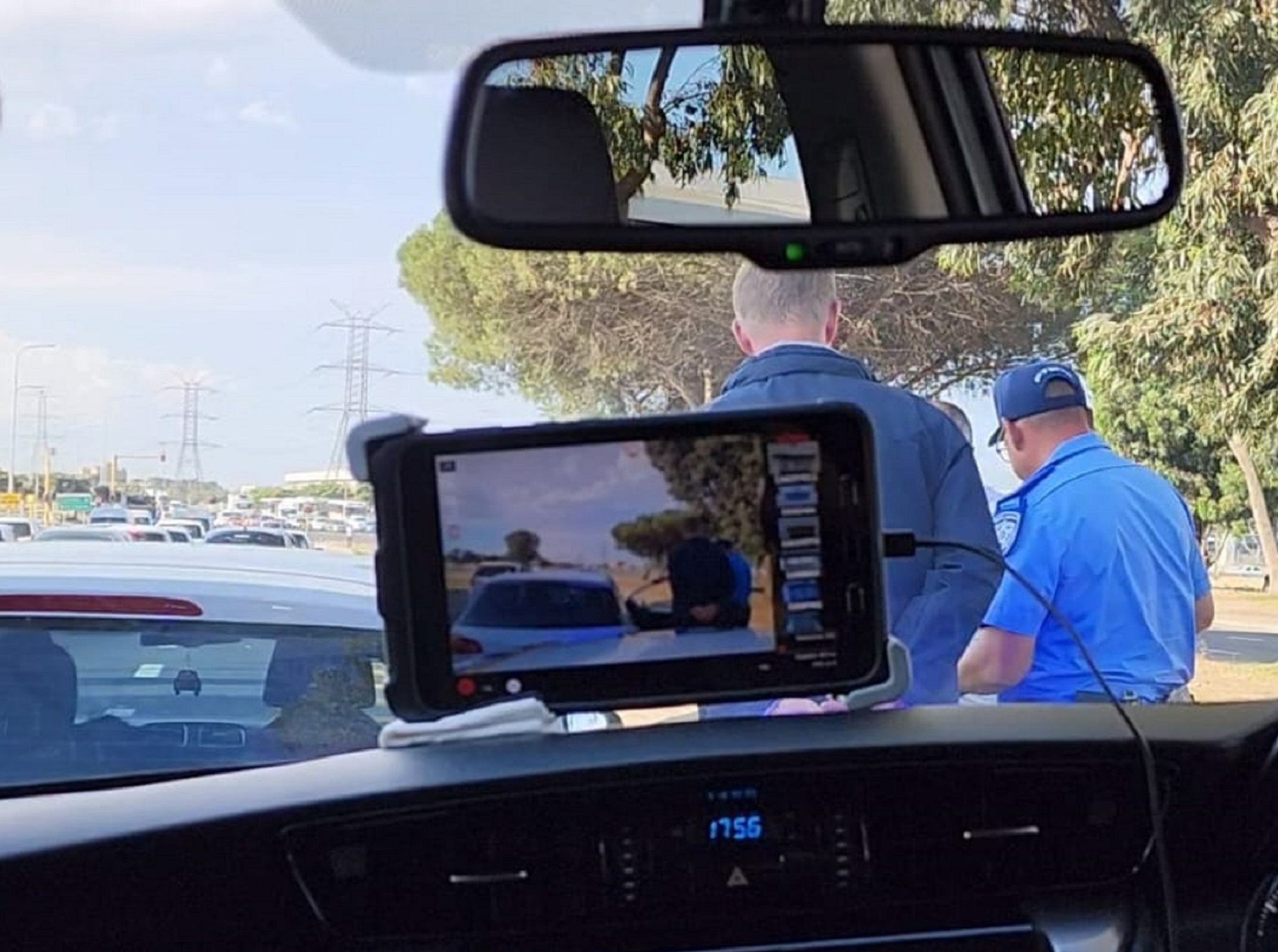
Currently, 530 enforcement vehicles have In-Vehicle Cameras (IVCs) with Automated Number Plate Recognition (ANPR) functionality and printers for warrants and summons. This tally will increase to 555, upon receipt of the additional vehicle kits currently on order.
The devices capture thousands of hours of evidence each month – to date, there have been more than 450 instances where evidence has been requested and used either for internal investigations or shared with the South African Police Service for external investigations.
In most cases, the digital evidence supports the officers against false claims or provides evidence of suspects’ actions.
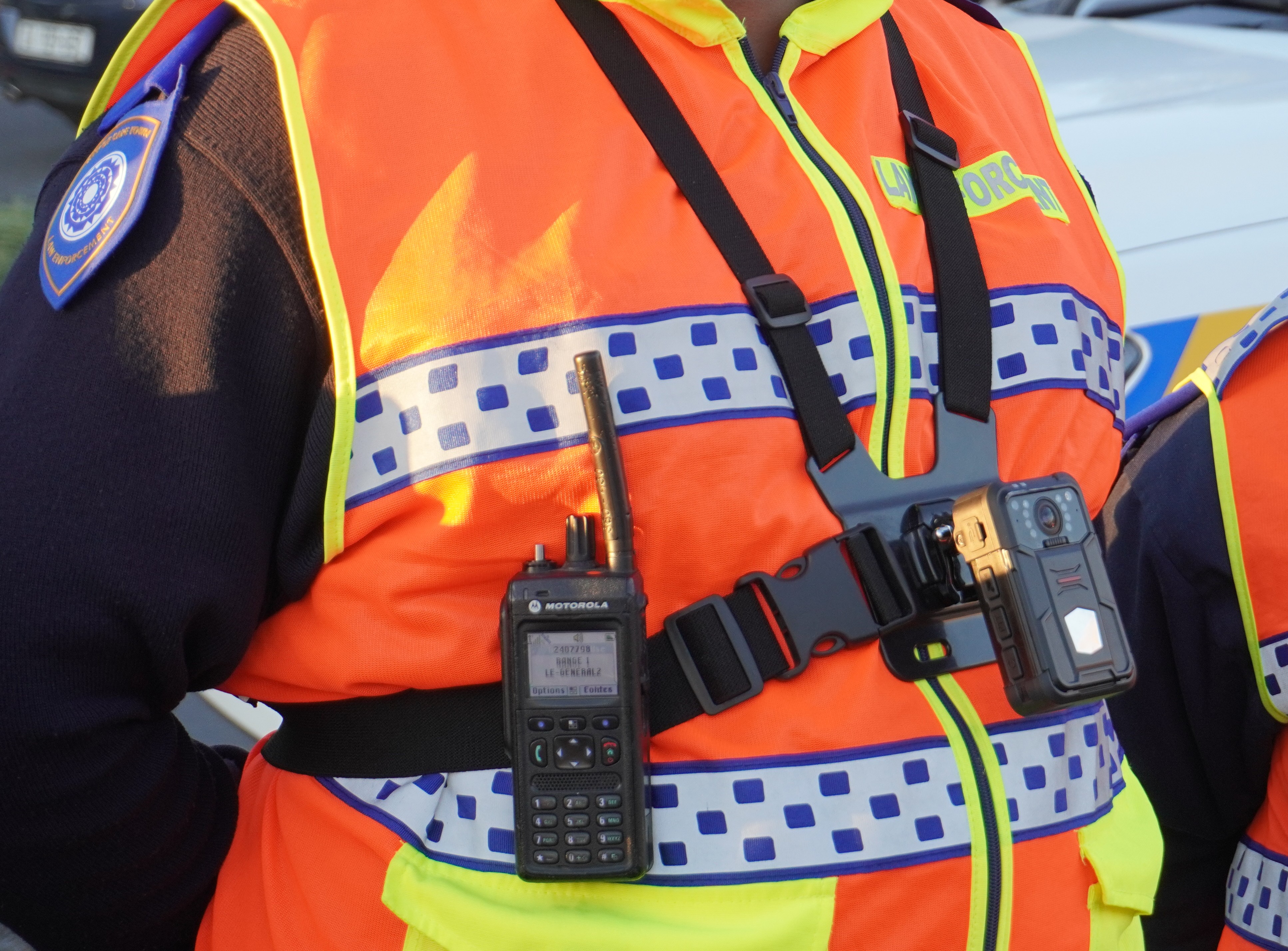
‘The use of body-worn cameras protects staff, and the public. More importantly, it and the various other tech solutions we’ve introduced help create a real-time operational picture to improve situational awareness and inform decision-making. We saw this used to good effect during the June 30 protests, where officers arriving on scene were able to stream live feeds to our operations centre from their mobile cameras, to augment drone and CCTV footage or provide visuals in areas without a CCTV presence. I am excited to see how we build on this into the future, to advance public safety in Cape Town,’ said Mayoral Committee Member for Safety and Security, Alderman JP Smith.
CCTV OPERATIONS
The Metro Police Strategic Surveillance Unit (SSU) detected 41 005 incidents between 1 July 2025 and 30 June 2026.
These detections resulted in 541 arrests over the 12 month period - an 18% increase on the year before.
Among the arrests were 228 for drug possession, 21 for dealing in drugs, 91 related to traffic accidents and offences, 19 for theft out of motor vehicles and 16 for cable and/or metal theft.
In addition, the camera systems were instrumental in apprehending 452 suspects linked to alerts about suspicious vehicles, or where they were asked to be on the lookout for specific vehicles linked to criminal incidents.
Among the charges stemming from these incidents were possession of stolen or hijacked vehicles, possession of prohibited firearms, and possession of housebreaking implements and stolen property.
Similarly, the number of viewing requests from the South African Police Service is also on an encouraging climb.
In the six months between January and June this year, SAPS requested to view footage in 242 cases – a 35% increase on the same period in 2025.
The case types included murder, arson, culpable homicide, armed robbery and theft out of motor vehicle incidents.
‘Our tech network is a force multiplier that allows for intelligence gathering and supports both proactive and retrospective policing. I am incredibly heartened by the increased appetite from the South African Police Service to view our CCTV footage as a potential resource. And, while it might not provide a positive result in every case, CCTV enquiries should become par for the course in investigations. As we work to expand our network, not only of CCTV cameras but also body-worn and in-vehicle devices, the potential evidentiary benefits increase the chances of successful prosecutions,’ added Alderman Smith.
Audio – English: https://on.soundcloud.com/rALeLW4DGMPWIApN9Q
Audio – Afrikaans: https://on.soundcloud.com/Edw2oaVWIqaUQYUpne