
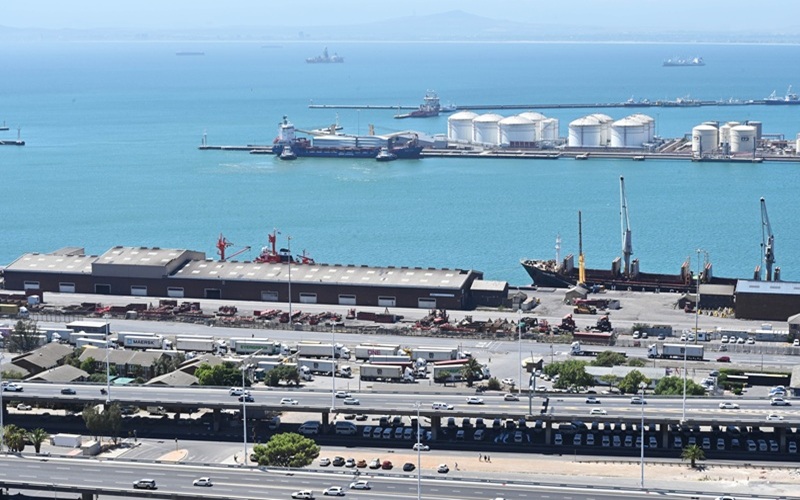
City’s Freight Management Strategy given the green light
21 August 2026
The City of Cape Town is set to roll out its implementation plan for the Freight Management Strategy, which was approved by Council yesterday, 20 August 2026. The Strategy will be finalised with relevant departments, with short, medium and long-term actions to ensure that the movement of goods across the city remains safe, efficient and reliable, while maintaining accessibility for all road users.
‘The City of Cape Town has updated its Freight Management Strategy. The previous strategy, from 2016, laid a good foundation, but implementation was constrained by limited data, enforcement resources and mandates. The updated strategy now provides direction on tackling new and growing issues, like how the movement of goods affects city planning and road infrastructure, the increase in small delivery services, trucks parking in unofficial areas, environmental impacts, and lack of compliance,’ said the City’s Mayoral Committee Member for Urban Mobility, Councillor Rob Quintas.
In March this year, the City concluded the draft Freight Management Strategy public participation process with members of the public, as well as interested stakeholders and organisations.

The key amendments to the strategy based on comments received are listed below:.
- Protecting residential environments from the negative externalities of truck traffic through them. The Strategy was revised to strengthen mechanisms to protect residential roads from damage by large trucks, including time and weight restrictions for trucks moving through residential areas.
- E-Commerce platforms to take more responsibility for their business partners. Proposed actions were added to the Strategy for these platforms to support the health and safety of drivers, as well as that of other road users.
- Infrastructure needs of freight vehicles (in size from trucks to micro-freight). A proposed action was included to investigate what the City could do to support the holding needs of these vehicles in a way that protects the street environment.
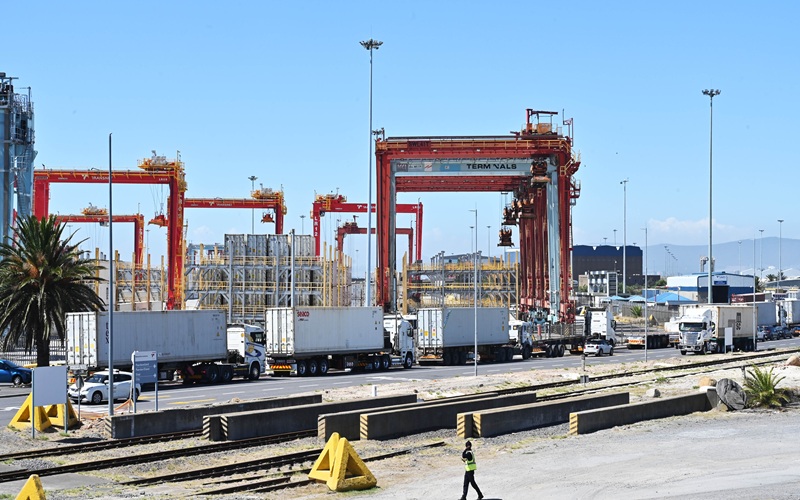
In addition, the purpose statements have been strengthened, and maps showing routes for dangerous goods and abnormal loads were added as annexures, along with several minor changes.
‘The City will continue to advocate for a shift from road to rail, especially serving the port of Cape Town. We have also heard residents’ pleas to protect residential areas from unnecessary truck travel through them, and for time and weight restrictions where necessary. We will also be following up on concerns about micro-freight bikes impacting on other road users, and the need for micro-freight drivers to travel and stage safely. The City would like to thank everyone who took the time to contribute to this updated Freight Management Strategy document,’ concluded Councillor Rob Quintas.