

More women choose longer-acting contraception at City clinics
21 September 2026
World Contraception Day (26 September) highlights the importance of the freedom to make informed choices and that circumstances, relationships and hopes for the future are different. City Health data reflects these changes – as more women are opting for longer-term protection like implants and intra-uterine devices.
City Health recorded a 68% increase in intra-uterine contraceptive device (IUCD) insertions during the 2025/26 financial year, as more women opted for longer-acting contraception.
A total of 1 098 IUCDs were inserted, up from 652 the previous year, while almost 10 000 contraceptive implants were administered during the same period.
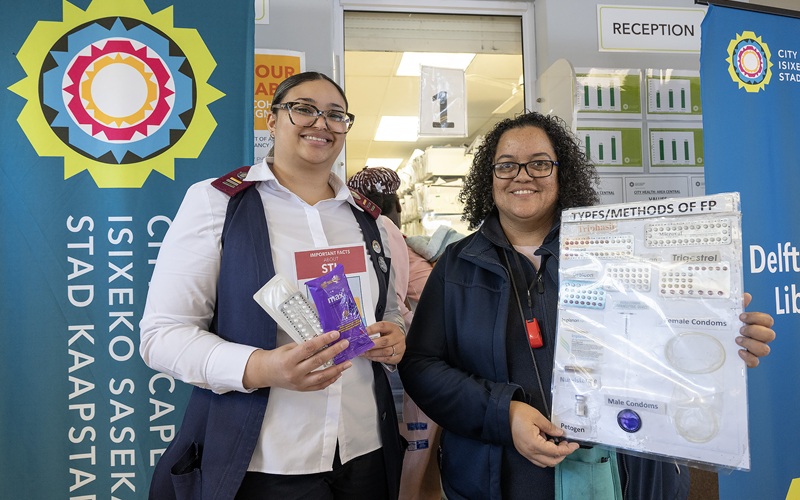
The figures are being highlighted ahead of World Contraception Day on 26 September, with free family planning and contraceptive services available at all City Health clinics.
The theme for World Contraception Day is ‘A choice for all – agency, intention, access’ and speaks to the importance of giving people the information, care and support they need to make informed decisions.
Access to contraception is an important part of reproductive healthcare. It helps people decide if and when they want to have children, and to space pregnancies according to their individual circumstances and plans. Different methods offer different benefits, and longer-acting methods such as IUCDs and implants can provide effective contraception over an extended period without requiring daily or frequent action.
While most contraceptive methods are designed to prevent unintended pregnancy rather than sexually transmitted infections (STIs), condoms provide protection against both unintended pregnancy and many STIs when used correctly and consistently. There is no single contraceptive method that is right for everyone, which is why access to a range of options and professional advice is so important.
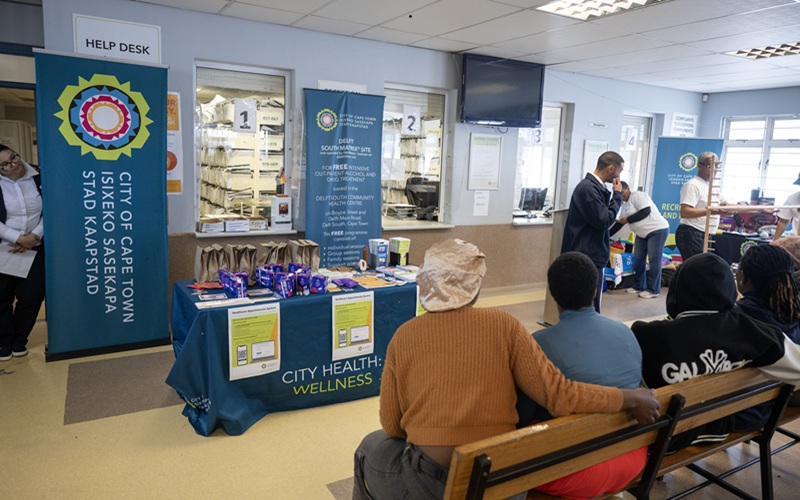
Healthcare professionals can help clients understand the available options, address questions or concerns and help them find a method that fits their needs, circumstances and preferences.
‘Contraception is a personal decision, and our role is to make sure residents have access to reliable information, different options and healthcare professionals who will listen without judgement. We’ve seen an increase in the number of women opting for longer-acting methods, which in turn reduces the number of clinic visits,’ said Mayoral Committee Member for Community Services and Health, Councillor Francine Higham.
Other contraceptive methods include the oral pill, two – and three month injections, and male and female condoms which offer the best protection against sexually transmitted infections.
City clinics also provide HIV testing and prevention, PrEP, STI services, pregnancy testing, antenatal and postnatal care, mental health support, as well as counselling and referrals for fertility-related concerns.
For those receiving ongoing treatment, healthcare teams can also provide support with taking medication as prescribed and attending follow-up appointments.
Residents can use the City Health Healthcare Appointments System to book a family planning appointment at a clinic and select an available date and time that suits them.
To book an appointment, visit: Healthcare Appointments System.
An SMS confirmation will be sent once the appointment is booked.
This World Contraception Day, City Health encourages residents to ask questions, understand their options and make choices that support their health, their circumstances and the future they want.
Caption: Photo of two nurses at an event at Delft South Clinic(left to right: Justine Langenhoven and Sumaya Quickfall).